Low vitamin levels
Consultation for low vitamin levels
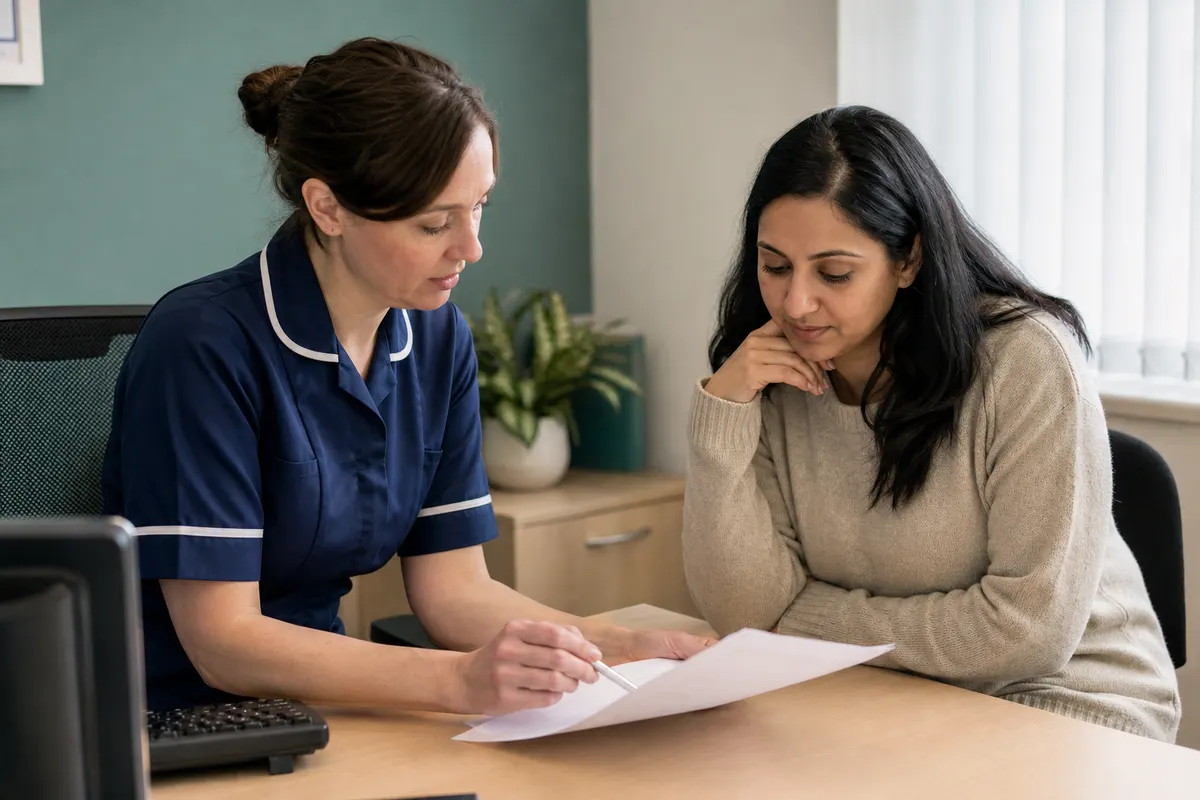
If you think your vitamin levels may be low, a consultation at our Clayhall clinic in Ilford is a sensible first step. We talk through how you have been feeling and your diet, and whether a blood test would help. Your options depend on the result. Sometimes the right next step is to see your GP.
- Starts with A consultation
- May include A blood test
- With Sharmila Selvarajah
- Where 420 Clayhall Avenue, Ilford IG5 0SH
What we look at
Tiredness and low mood have many causes, so we start with you.
- How you have been feeling, and for how long
- Your diet and how much time you spend outdoors
- Any medicines you take and your health history
- Whether a blood test would give a clearer picture
When to get medical help first. See your GP about tiredness that has gone on for a long time, or that comes with weight loss or other new symptoms.
Tiredness has many causes
It is easy to assume that low energy means low vitamins. Often it does not. The NHS lists poor sleep, diet, little exercise, stress, depression, bereavement, caring for a new baby, hormonal changes and recent illness among the common causes of tiredness.
Some health conditions cause it too, including anaemia, diabetes, an overactive thyroid and sleep apnoea. Your symptoms alone cannot tell you which of these applies to you, so it helps to look at the whole picture before assuming anything.
What the NHS says about low vitamin levels
Most people can get what they need from a varied and balanced diet. Some groups are more likely to run low, and the reasons differ from one vitamin to another.
- Vitamin D: sunlight is too weak for your skin to make it from about October to early March.
- Vitamin D: you are more likely to run low if you rarely go outdoors, usually cover most of your skin outside, or have darker skin, including African, African-Caribbean or South Asian backgrounds.
- Vitamin D: food sources include oily fish, red meat, egg yolks and some fortified foods.
- Vitamin B12: the most common cause of low levels in the UK is pernicious anaemia, where the immune system stops your body absorbing it. Eating more will not fix this.
- Vitamin B12: diet can play a part too, for example a vegan diet without fortified foods, a very restricted diet or a poor diet over a long time. It is also more common in older people.
- Vitamin B12 and folate: symptoms can include extreme tiredness, pins and needles, a sore red tongue, mouth ulcers, muscle weakness, vision problems, and changes in mood or memory.
More is not always better. The NHS warns that too much vitamin D over a long time can raise calcium levels in your blood, which can weaken bones and damage the kidneys and heart. If you have a medical condition, or a doctor has given you advice about your levels, follow that advice first.
When to see your GP, and what to ask
Please see your GP if you have been tired for a few weeks without knowing why, if it is affecting your daily life, or if you also have weight loss or mood changes. Tell them if you have been told you gasp, snort or choke in your sleep. The NHS also advises seeing a GP if you think you may be low in vitamin B12 or folate. Early diagnosis matters, because some of the problems it causes can be permanent. A GP can arrange blood tests where they think you need them.
If you speak to any private clinic, including us, ask:
- Which test do you suggest, and why that one?
- Who will read the results and explain them to me?
- What will you do if the result is normal?
- Will you share the results with my GP, if I would like you to?
- Who will see me, and which register are they on?
- What is the total cost?
What happens
It always starts with a conversation, and there is no pressure.
-

Holding image 1Consultation
We talk through your concerns, your health history and your options.
-
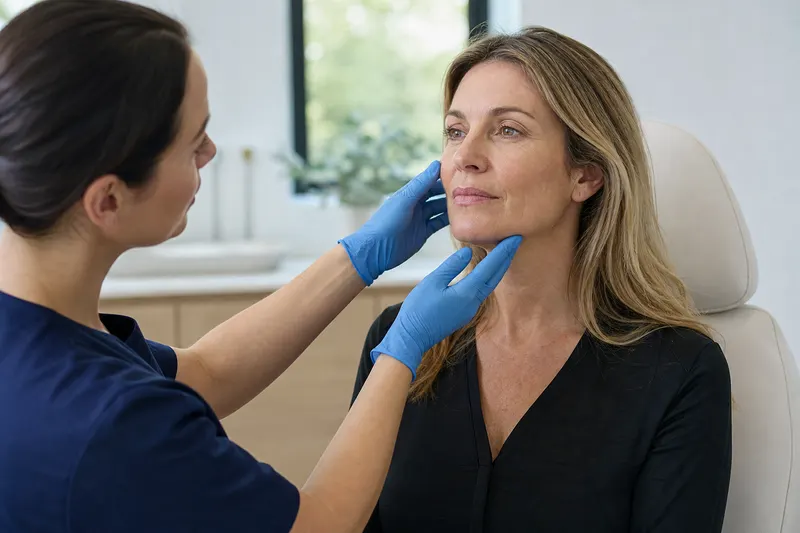
Holding image 2An honest assessment
We tell you what is realistic, what the risks are, and whether treatment is suitable for you.
-

Holding image 3Aftercare
If you go ahead, you get clear aftercare advice and know how to reach us.
Who treats you
Your consultation is with Sharmila Selvarajah and covers your health history and any test results you already have.
Questions people ask
Do I need a blood test first?
Not always. We will talk through whether one would help.
Can I get a test on the NHS?
If your GP thinks you need one, yes. Please ask them.
Where to next
Ready when you are
- 420 Clayhall Avenue, Ilford IG5 0SH
- Mon to Fri 9am to 7pm, Sat 9am to 2pm
- 07401 494728
- WhatsApp us
- Free street parking. Two steps at the entrance.