Skin boosters
Skin boosters in Ilford
Skin boosters are treatments designed to hydrate the skin from within, rather than to add volume. At our Clayhall clinic in Ilford, treatment starts with a consultation about your skin and what you hope for. We explain what a realistic result looks like, how many sessions people usually have, and any risks involved.
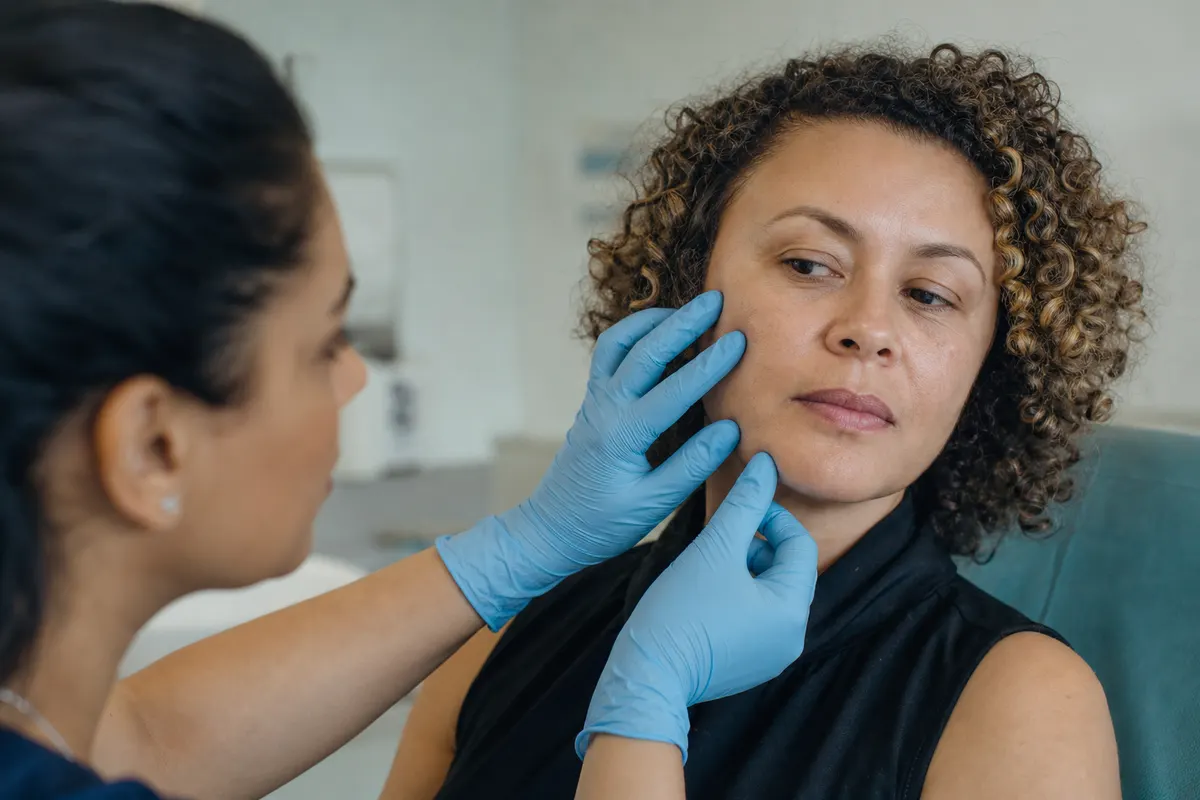
- Starts with A consultation
- Where 420 Clayhall Avenue, Ilford IG5 0SH
Is it right for you?
Your consultation covers:
- How your skin looks and feels at the moment
- What you would like to change
- Your health history and any skin conditions
- What to expect afterwards, including small marks or swelling
What to understand first
"Skin booster" is a general name, not a single treatment. Different products contain different ingredients, and the name alone does not tell you what is in the syringe. Ask what you are being offered, what it contains and how it is regulated in the UK.
Skin boosters are injections, so they carry the risks of any injection, even though they are given close to the surface of the skin. Save Face, an accredited register, says that all injectable treatments carry some risk, and that those risks should be discussed before treatment.
It helps to come with a clear idea of what bothers you about your skin. A consultation may show that something else would suit you better, such as a change to your skincare, or a visit to your GP or a dermatologist about a skin condition.
You do not need to decide on the day. The NHS says you should be offered a cooling-off period after any consultation for a cosmetic procedure.
Who should not have it, side effects and aftercare
Save Face says skin boosters are not suitable if you are pregnant or breastfeeding, or have an active skin infection, rash or cold sore in the area. You should also avoid them if you are allergic to any ingredient, have had a severe allergic reaction to an injectable, or have certain medical conditions or take certain medicines. Your practitioner should check these with you.
Tell your practitioner if you get cold sores, because injections can trigger them. Mention any earlier filler or injectable in the same area. Safety has not been fully established for people prone to keloid scars, which are raised scars that keep growing.
Some medicines you can buy without a prescription, some supplements and alcohol can make bruising more likely. Ask what to avoid before your appointment, and leave time before any important events.
Common effects, which usually settle in a few days, are:
- Redness and swelling
- Small bumps where the needle went in
- Bruising
- Tenderness or itching
Less common problems include infection, swelling or lumps that do not settle, and inflammatory reactions. Very rarely, product can enter a blood vessel. Contact your practitioner promptly if pain, redness or warmth gets worse. In general, avoid make-up for 12 hours, avoid alcohol, vigorous exercise, saunas and sunbathing for a day or two, and use a daily broad-spectrum sunscreen.
Questions to ask any practitioner
Ask these wherever you go, including here:
- What is the product called, what is in it, and where did you buy it?
- How is it regulated in the UK?
- What qualifications, training and experience do you have with this treatment?
- Which professional or accredited register are you on, and what is your number?
- What insurance do you have?
- What is the total cost, if more than one session is suggested?
- What are the risks for my skin, and who do I contact if something goes wrong?
Save Face warns that very low prices or heavy discounts can point to unapproved products, unqualified injectors or poor hygiene. Be wary of offers that push you to buy a course before you have had a consultation.
What happens
It always starts with a conversation, and there is no pressure.
-

Holding image 1Consultation
We talk through your concerns, your health history and your options.
-
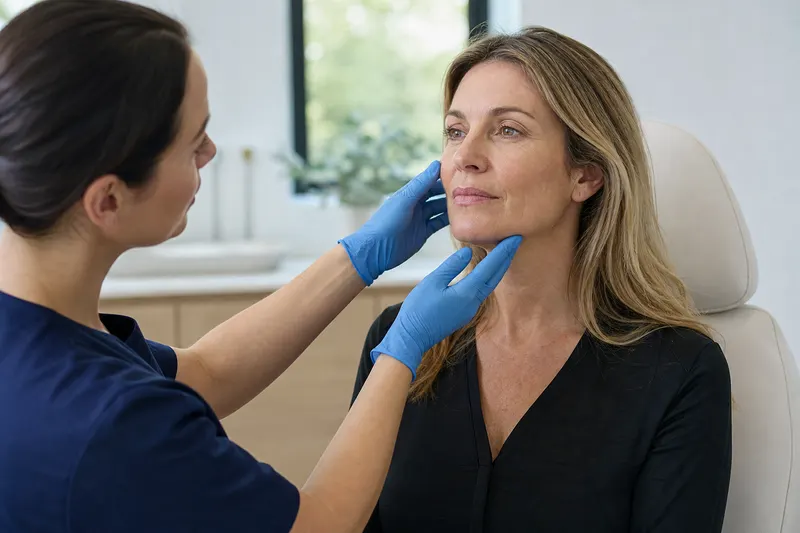
Holding image 2An honest assessment
We tell you what is realistic, what the risks are, and whether treatment is suitable for you.
-

Holding image 3Aftercare
If you go ahead, you get clear aftercare advice and know how to reach us.
Who treats you
Your consultation covers your skin and your health history before anything else. Sharmila Selvarajah carries out the treatment herself.
Questions people ask
Is it the same as filler?
No. Filler adds shape or volume. A skin booster is intended to hydrate the skin.
Will I see marks afterwards?
Small bumps, redness or bruising are common for a short time.
Where to next
Ready when you are
- 420 Clayhall Avenue, Ilford IG5 0SH
- Mon to Fri 9am to 7pm, Sat 9am to 2pm
- 07401 494728
- WhatsApp us
- Free street parking. Two steps at the entrance.