Acupuncture and dry needling
Acupuncture and dry needling in Ilford
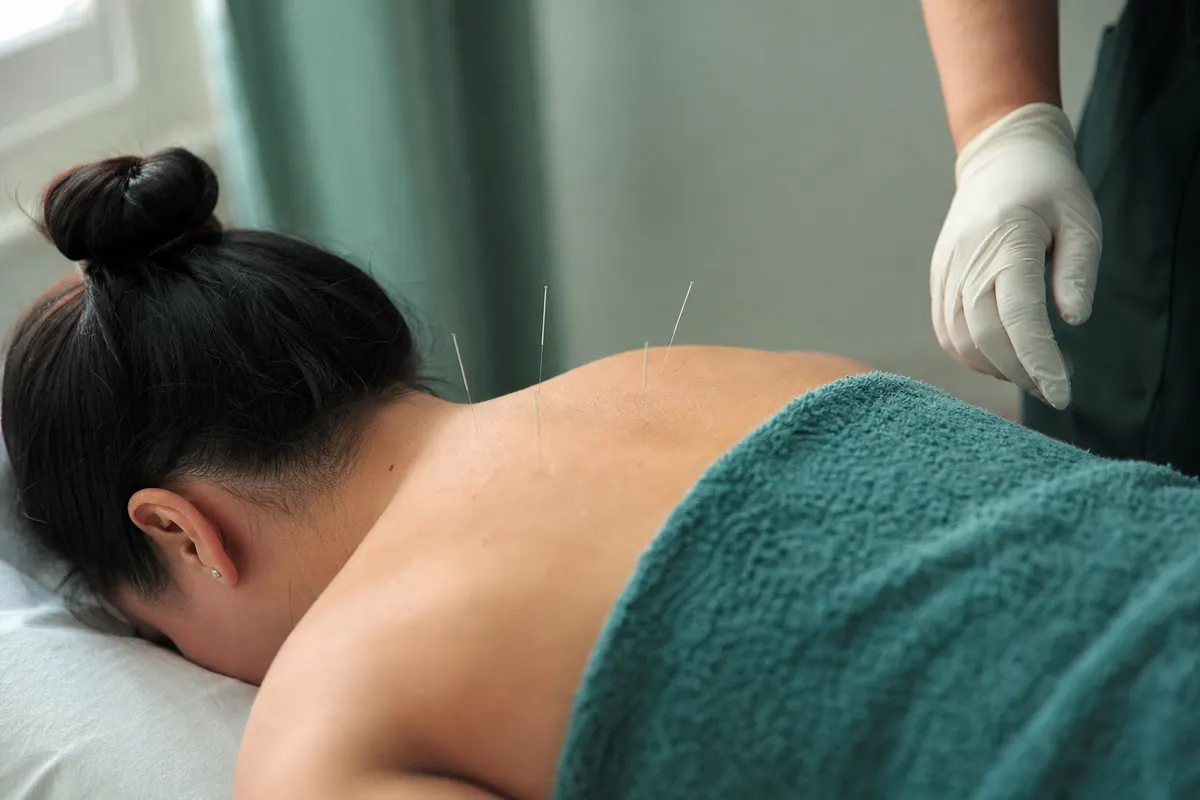
Acupuncture and dry needling both use very fine needles, placed in the skin and muscle. At our Clayhall clinic in Ilford, Sharmila uses dry needling, her form of acupuncture, alongside osteopathy. She talks through what it involves and whether it suits you before you start. A 30-minute session costs £50.
- Cost £50
- Used Alongside osteopathy
- How long 30 minutes
- Where 420 Clayhall Avenue, Ilford IG5 0SH
What is the difference?
They use similar needles but come from different ideas.
- Acupuncture comes from traditional Chinese medicine, with needles placed at set points
- Dry needling targets tight bands in a muscle
- Both use single-use, sterile needles
- Your practitioner explains what they plan to do before they start
What usually happens in a needling session
A first acupuncture session normally starts with questions about your general health and medical history, and often a physical examination. The practitioner should then explain the treatment, how the needles go in and what you might feel, and ask for your consent.
You usually sit or lie down, and you may need to take off some clothing so they can reach the area. A first treatment is best given lying down or well supported, in case you feel faint.
The needles are usually a few centimetres long. They may go just under the skin or deeper into muscle, and may stay in for anything from a few minutes to around 30 minutes. NHS guidance puts a first acupuncture session at 20 minutes to an hour.
Used needles go straight into a sharps bin. If a needle feels properly painful at any point, say so straight away and it can be taken out.
Two different treatments, even if the needles look alike
Acupuncture and dry needling are easy to confuse, but they are not the same treatment. Traditional acupuncture chooses its points using the ideas of meridians and energy flow, known as chi. Dry needling is a physiotherapy technique: the needle goes into a trigger point, a tender spot within a muscle.
So it is fair to ask which one you are being offered and why, and what training the person has in that technique. Some practitioners train in more than one.
Osteopaths must be registered by law, but acupuncture practitioners in general do not have to be. The NHS suggests choosing a regulated health professional, or someone on a register accredited by the Professional Standards Authority.
What can honestly be said about results
Nobody can promise you a result, and experience varies from person to person. For acupuncture, the UK advertising regulator is likely to accept claims of short-term relief for tension-type headaches, migraine, chronic low back pain, neck pain and jaw joint pain, and temporary help alongside other care for knee osteoarthritis pain. Any relief is temporary. Some people also describe feeling relaxed after a session.
That advice is about acupuncture, not dry needling, so this page makes no such claims for dry needling. You may see wider claims online, for things such as fertility, anxiety, sleep problems or the signs of ageing. The regulator has not accepted the evidence for those, and this page does not make them.
Before and after your session
The questions further down this page list some things to mention. A practitioner will also want to know if you have:
- An allergy to metal
- An infection, broken skin or a skin condition where the needles would go
- Diabetes, epilepsy, or a heart or circulation problem
- Cancer, a weakened immune system, or regular steroid medicine
- Had a bad reaction to needles in the past
Afterwards you may feel drowsy or a little faint, and some people feel sick. One NHS trust's guidance is to rest for about 10 minutes and not to drive until you feel fully recovered, so you may like to bring someone to your first session. Serious problems such as a punctured lung or an infection are very rare. If you give blood, mention the needling at your next donor session.
What happens when you come in
We keep it simple.
-
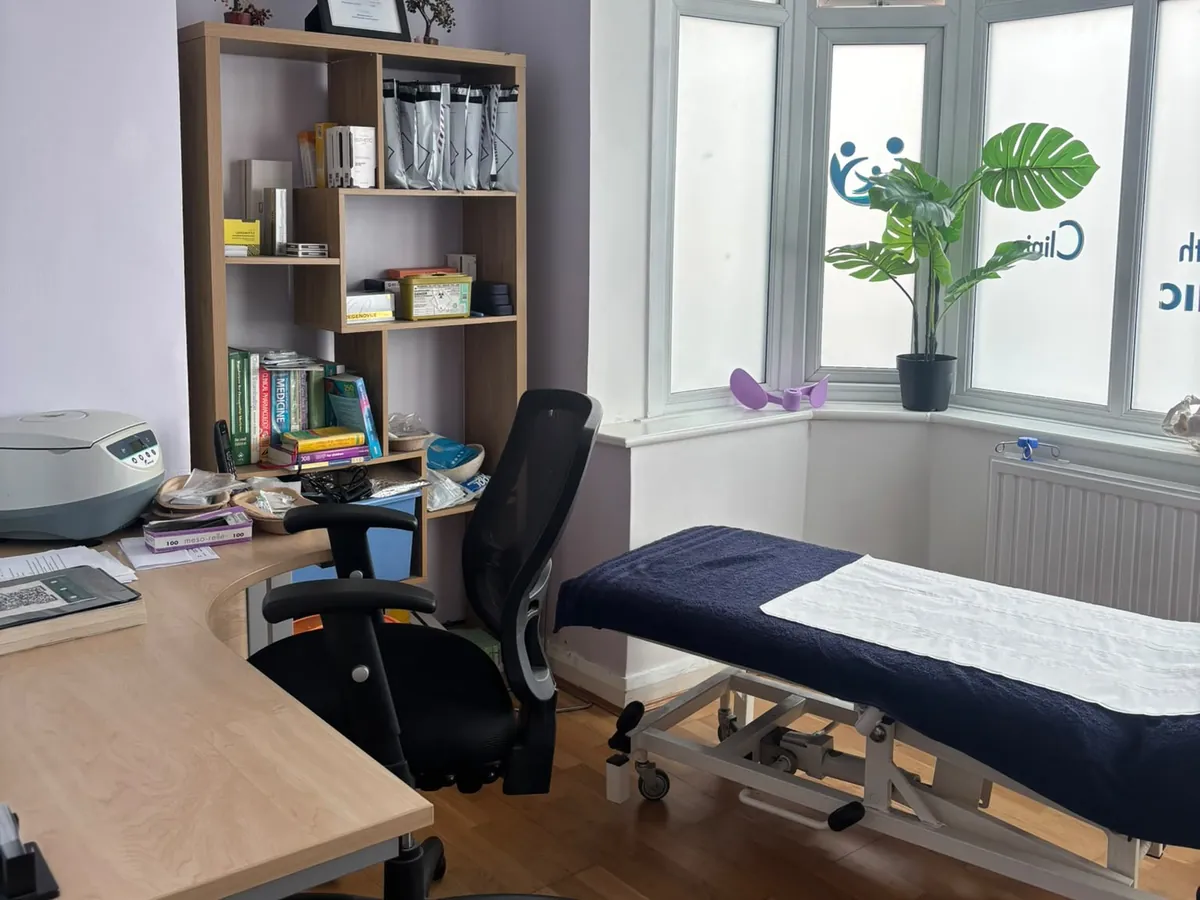
1We talk first
What you would like help with, and your health history.
-
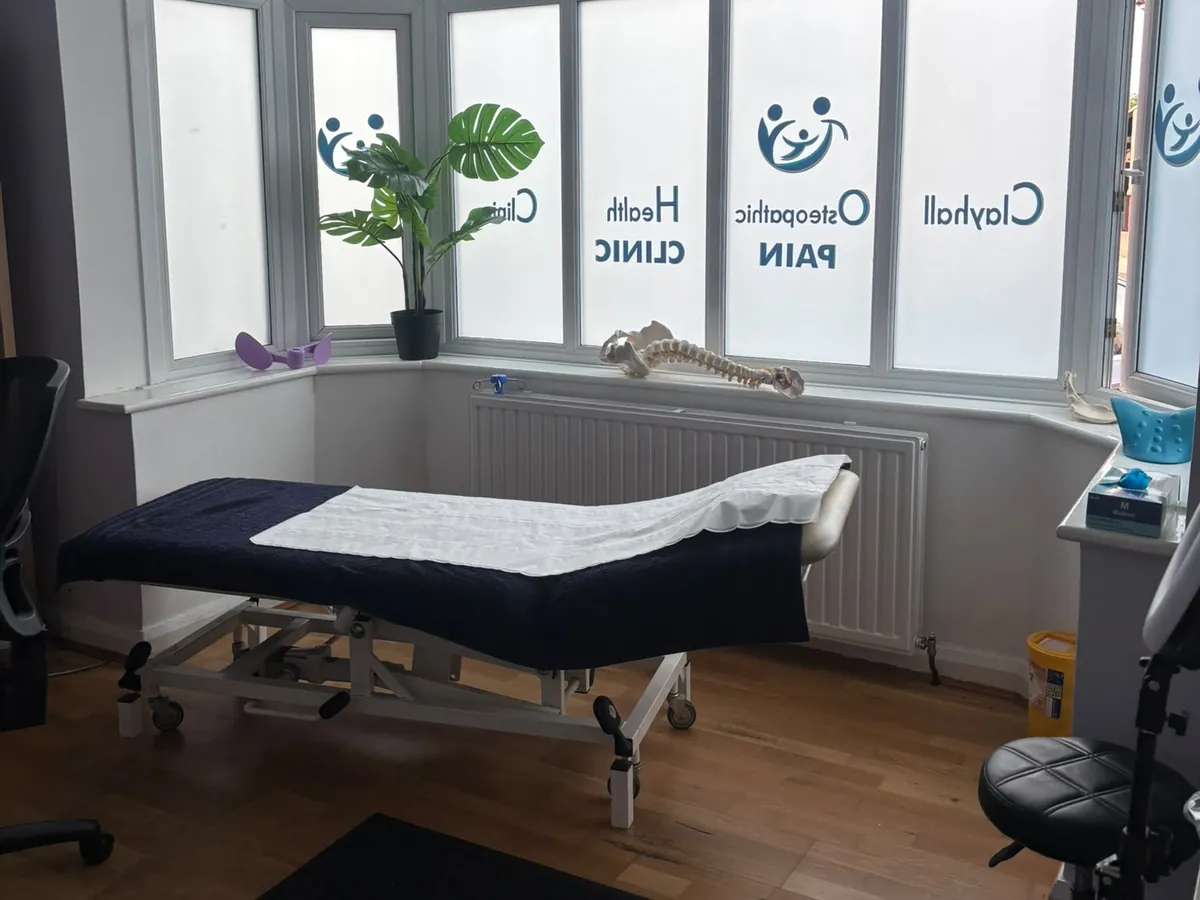
2Your session
We explain what we are doing as we go. Ask anything, at any time.
-
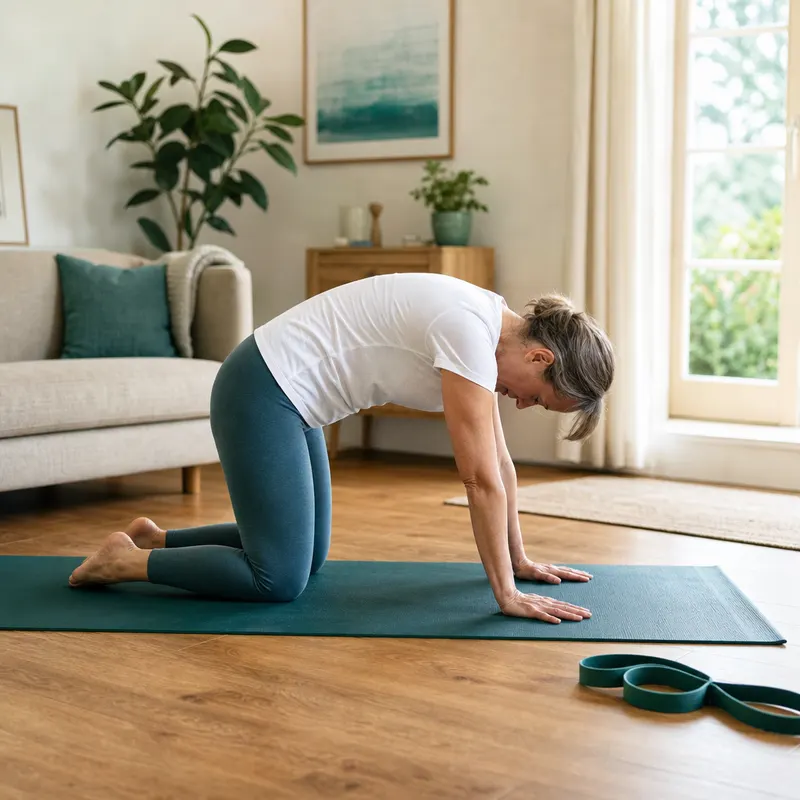
Holding image 3What next
Advice for home, and an honest view on whether more sessions would help.
Who treats you
Sharmila Selvarajah gives dry needling at the clinic, as her form of acupuncture, alongside osteopathy. She checks your health history first, and will tell you if it is not suitable for you.
Questions people ask
Does it hurt?
The needles are very fine. Most people feel a small prick or a dull ache, which settles quickly.
Is it safe for everyone?
Please tell us if you are pregnant, take blood-thinning medicine, have a bleeding disorder or a pacemaker, or have a fear of needles.
Could I have side effects?
Some people have small bruises, a little soreness or feel tired afterwards.
How much does it cost?
A 30-minute session is £50.
Where to next
Ready when you are
- 420 Clayhall Avenue, Ilford IG5 0SH
- Mon to Fri 9am to 7pm, Sat 9am to 2pm
- 07401 494728
- WhatsApp us
- Free street parking. Two steps at the entrance.