Sciatica
Sciatica osteopath in Ilford
Sciatica is pain that travels from your lower back down into your leg. At our clinic in Clayhall, Ilford, a registered osteopath can examine you, explain what may be causing it, and offer hands-on treatment and advice if it is right for you. You can book directly, without a GP referral.
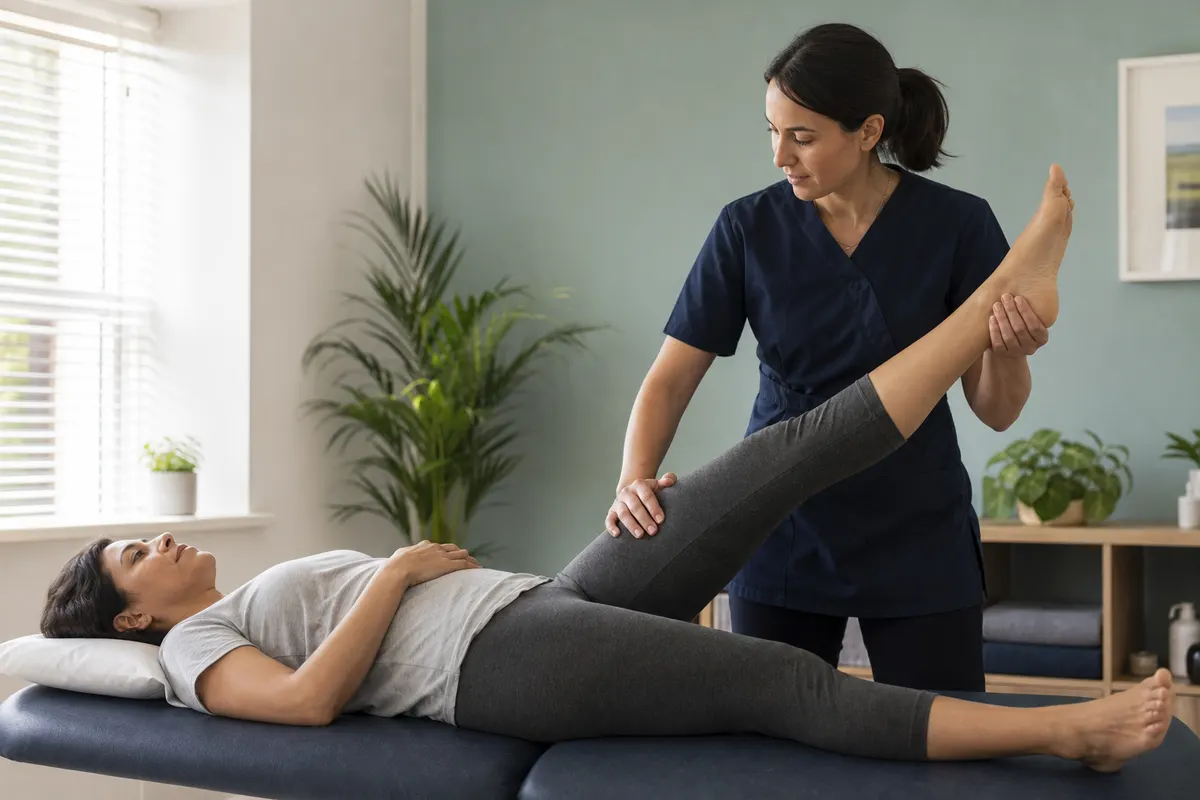
- First appointment 45 minutes
- Cost First appointment £70 Follow-up £65 (30 minutes)
- Referral Book directly No GP referral needed. Osteopaths are primary healthcare professionals, trained to examine and diagnose.
- Where 420 Clayhall Avenue, Ilford IG5 0SH
What sciatica can feel like
Sciatica happens when the sciatic nerve, which runs from your lower back down each leg, is irritated. People often describe:
- Pain running from the lower back through the buttock and down the leg
- Tingling, pins and needles or numbness in the leg or foot
- Pain that is worse when you move, cough or sneeze
- Stiffness in the lower back
When to get medical help first. Call 999 or go to A&E if you have sciatica on both sides, weakness or numbness in both legs, numbness around your bottom or genitals, or you cannot control when you pee or poo.
How do I know it is sciatica and not ordinary back pain?
Sciatica is mostly felt in the leg. The pain is often sharp or burning, usually in one leg, and can reach your foot and toes. It may start suddenly or come on gradually.
You may have back pain too, but it is usually milder than the pain in your leg. Back pain alone does not usually mean sciatica.
What can press on the sciatic nerve?
Sciatica comes from pressure on, or friction against, the nerve. A slipped disc is the most common reason, and becomes more likely with age. Others include:
- Spinal stenosis: narrowing of the channel in your spine that the nerves pass through
- Spondylolisthesis: a bone in your spine slipping out of position
- A back injury
You do not have to work this out alone. Your osteopath asks about your symptoms, examines you, and says if someone else should take a look.
What does the NHS suggest for sciatica at home?
Its advice is to:
- Keep up your normal activities as much as you can
- Start gentle movement early, with regular sciatica exercises
- Use heat packs on the painful areas
- Avoid sitting or lying down for long periods: movement may be uncomfortable, but it is not harmful
- Ask a pharmacist about painkillers, as paracetamol is unlikely to help and the benefit of ibuprofen is unclear
Sciatica can come back. To lower the chance, the NHS suggests staying active, lifting heavy objects safely, setting up your computer properly, keeping to a healthy weight and not smoking.
What if my sciatica does not settle?
See your GP if it has not improved after a few weeks, is getting worse, or is stopping you doing everyday things. In many areas you can also refer yourself to NHS muscle and joint services.
The main treatments are exercises, painkillers and physiotherapy. If the pain is severe and these have not helped, a hospital specialist may offer painkilling injections or surgery. Osteopathy does not replace that advice, and we will tell you if we think you need it.
What happens at your appointment
Nobody rushes you.
-
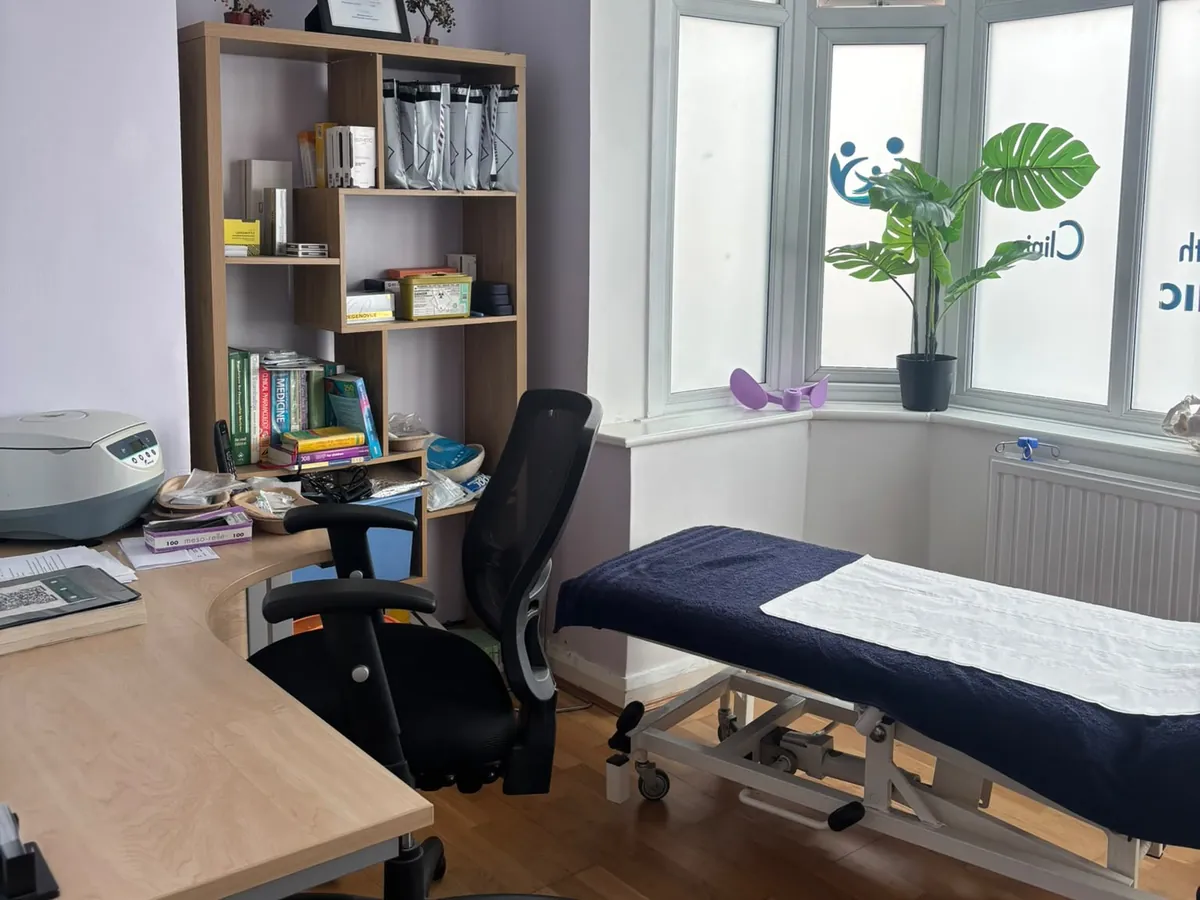
1We talk it through
What hurts, when it started, what makes it better or worse, and your health history.
-
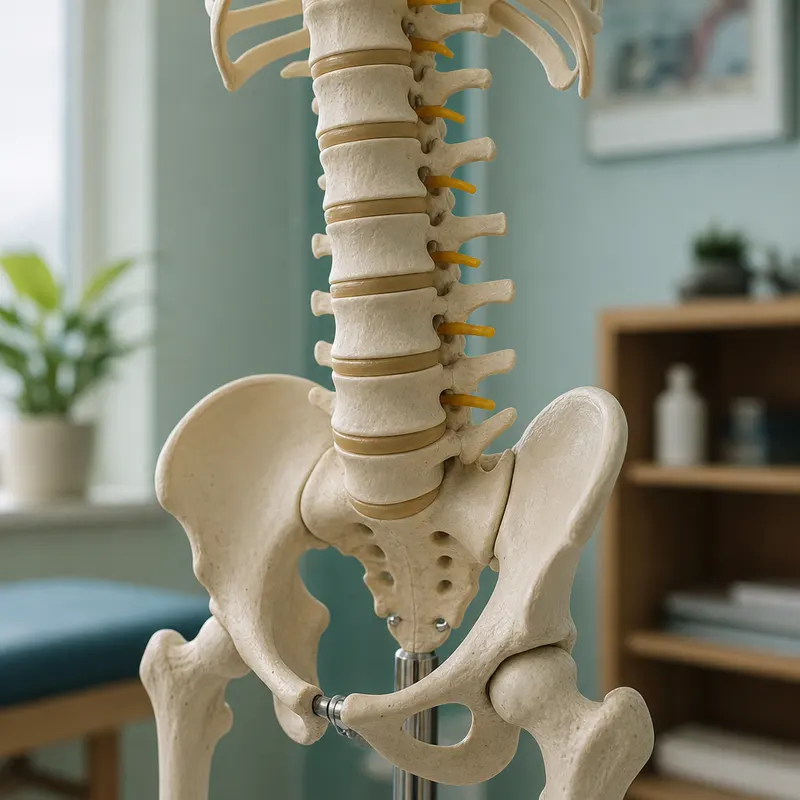
Holding image 2We look at how you move
A gentle examination of the painful area and the joints and muscles around it.
-
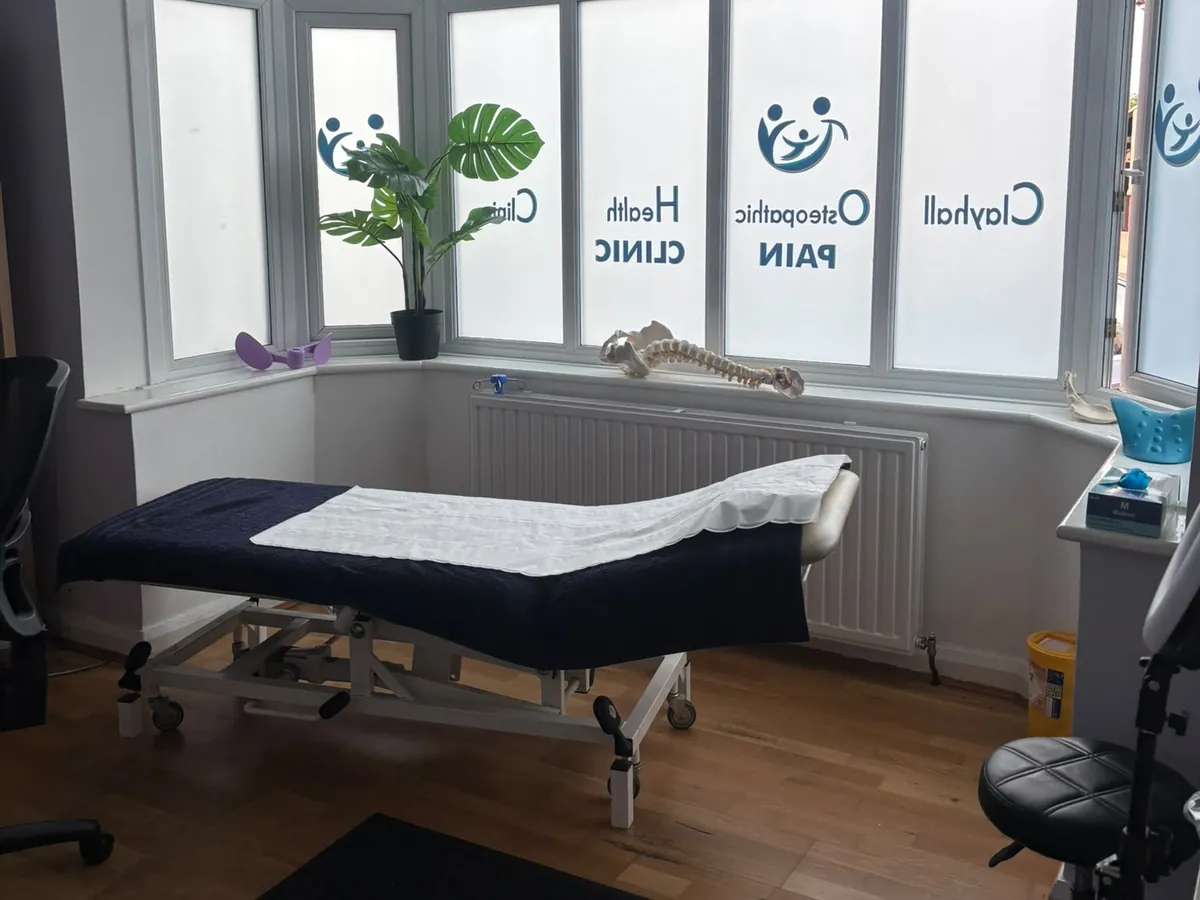
3Hands-on treatment
If osteopathy is right for you, treatment starts the same day, with each step explained.
-
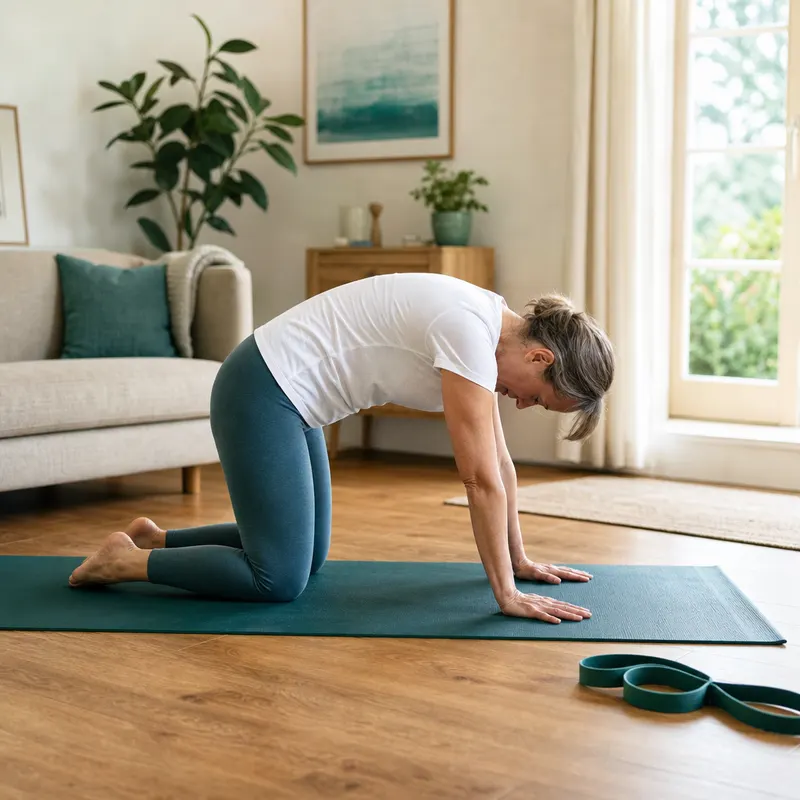
Holding image 4A plan you understand
Simple exercises and advice to use at home, and an honest view on how many visits might help.
Who treats you
Sharmila Selvarajah, a registered osteopath, opened the clinic in 2006. Every osteopath in the UK must be registered with the General Osteopathic Council, and you can check any registration on its website.
- Sharmila SelvarajahGeneral Osteopathic Council, number 6150
- Anya WoolliamsGeneral Osteopathic Council, number 11257
What patients say on Google
Google reviews
Sharmila is extremely knowledgeable and clearly passionate about what she does. She takes the time to understand your concerns and provides care with real commitment and enthusiasm...
Excellent Osteopathic center, we have been attending here for a number of years now. Especially Sharmila has been fantastic on every visit. Highly recommended!
Very happy with the Treatment I received at clayhall osteopaths. Thank you very much for everything.
Read from our Google listing on 4 November 2026, word for word. Individual experiences vary.
Questions people ask
Do I need a referral from my GP?
No. Osteopaths are primary healthcare professionals, trained to examine you and diagnose problems with muscles and joints, so you can book directly. If we think you should see your GP as well, we will say so.
What causes sciatica?
Common causes include a slipped disc and changes in the spine that come with age. We will talk through what is likely in your case.
Should I keep moving?
Usually yes. Gentle movement is generally better than long periods of rest. We will show you which movements suit you.
Do I need a scan?
Most people do not need one straight away. If we think you do, we will tell you.
Where to next
Ready when you are
- 420 Clayhall Avenue, Ilford IG5 0SH
- Mon to Fri 9am to 7pm, Sat 9am to 2pm
- 07401 494728
- WhatsApp us
- Free street parking. Two steps at the entrance.