PRP treatment
PRP treatment in Ilford
PRP stands for platelet-rich plasma. A small sample of your own blood is taken and spun to separate out the plasma, which is then used on the skin. At our Clayhall clinic in Ilford it is for over-18s only, and starts with a consultation. The evidence for PRP is still developing, and results vary.
- Starts with A consultation
- Age Over-18s only
- Who Sharmila Selvarajah
How PRP is done
In simple steps:
- We talk through your health history and whether PRP is suitable
- A small sample of your blood is taken
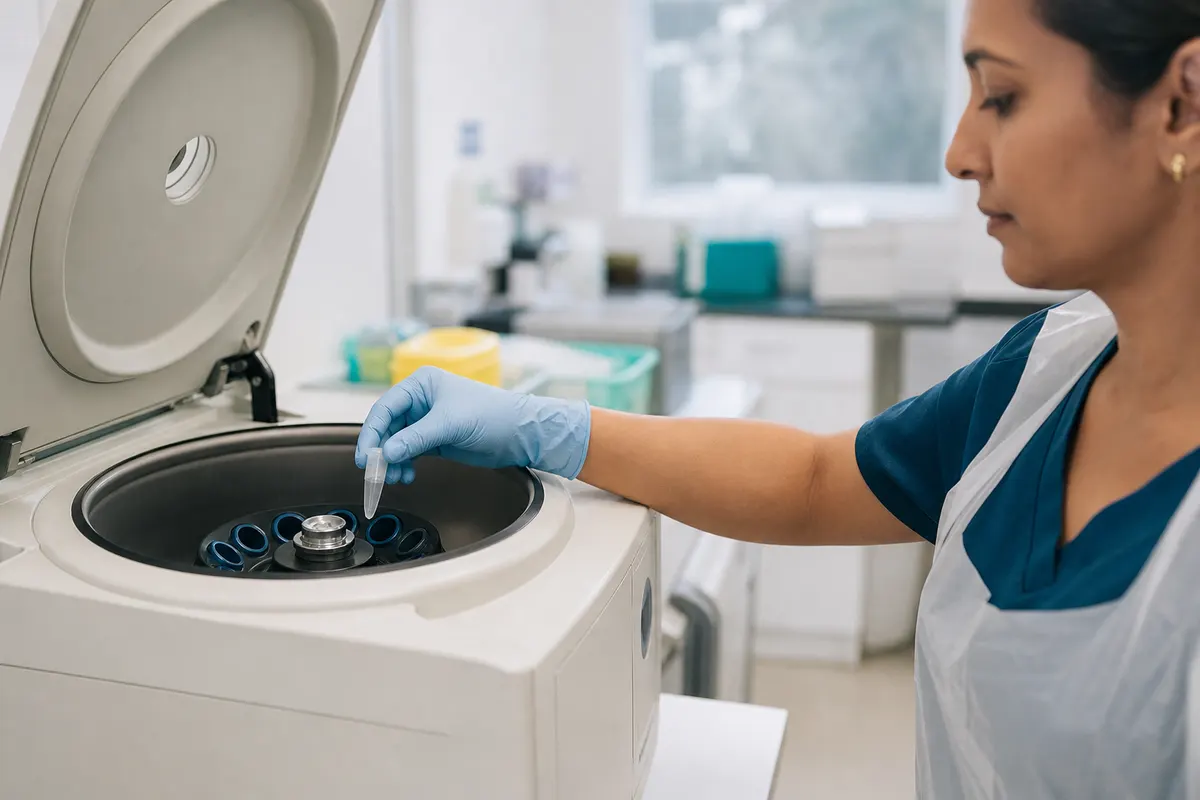
- It is spun in a machine called a centrifuge to separate the plasma
- The plasma is used on the area being treated
Why handling blood changes the risks
PRP uses your own blood, but that does not make it risk-free. The JCCP, a register for cosmetic practitioners, published guidance on PRP in 2026 because of concerns about how some procedures are carried out and how blood is handled.
Each stage matters: taking the blood, spinning it, preparing the plasma and putting it back into your skin. The JCCP says reused or unsuitable equipment and poor technique can pass on blood-borne viruses such as hepatitis and HIV. These infections may not show symptoms for a long time. It says infection, including sepsis, can follow if clean technique is not used, and that allergic reactions can still happen if equipment is contaminated.
Injecting in the wrong place can also damage tissue and, in the worst cases, cause blindness. The JCCP names the area between the eyebrows, around the eyes and the folds beside the nose as high-risk areas.
This treatment is for over-18s only, at the clinic, and never at home, in a hotel or at an event.
Questions to ask about PRP
These questions are particular to PRP. Ask them of any practitioner, including us. You should expect clear answers:
- Who takes my blood, who prepares it and who injects it? What is each person's registration, and what number can I check?
- Is every needle, tube and kit sterile and single-use, and can I see it opened?
- How do you label my sample so that it cannot be mixed up with anyone else's?
- Is my plasma used only on me, on the same day, and never stored?
- How do you clean and look after the centrifuge?
- Are you trained to spot and treat a severe allergic reaction or an infection, and do you have the emergency equipment here?
- Can I reach a prescriber quickly if I develop an infection?
- What evidence is there for what you are suggesting, in the area you plan to treat?
- What is the total cost, including any further sessions?
You should be offered time to think after any consultation, and you can walk away at any point. We make no claim that PRP will change your hair. If hair loss is your concern, please start with our hair loss consultation, and speak to your GP.
Side effects and who may not be suitable
Before treatment, your practitioner should take a full medical history and ask about allergies. Tell them about any blood disorder, infection or skin problem, anything you take that affects bleeding, and whether you are pregnant or breastfeeding. The guidance we read does not give one fixed list of who cannot have PRP, so ask what applies to you.
Tenderness, swelling and bruising are common. Save Face, an accredited register, also mentions a small risk of infection, tissue damage and nerve injury with injections like this.
Your practitioner should tell you how to look after the area, and who to contact. Speak to them or your GP promptly if you notice:
- Redness or swelling that gets worse
- Discharge from where the needle went in
- Increasing pain
- A fever, or generally feeling unwell
Call 999 if you have trouble breathing, swelling of your lips, mouth or throat, a very fast heartbeat with a fever, or a sudden change in your sight. Do not wait for an appointment.
What happens
It always starts with a conversation, and there is no pressure.
-

Holding image 1Consultation
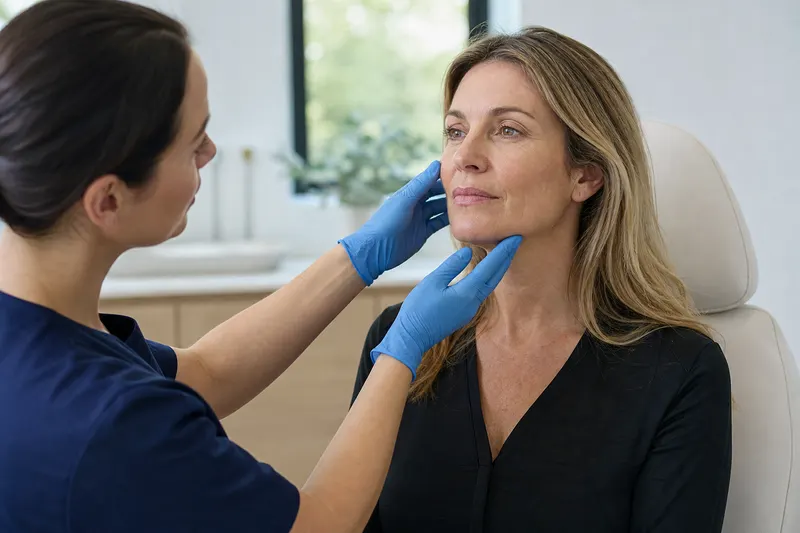
We talk through your concerns, your health history and your options.
-
Holding image 2An honest assessment
We tell you what is realistic, what the risks are, and whether treatment is suitable for you.
-
Holding image 3Aftercare
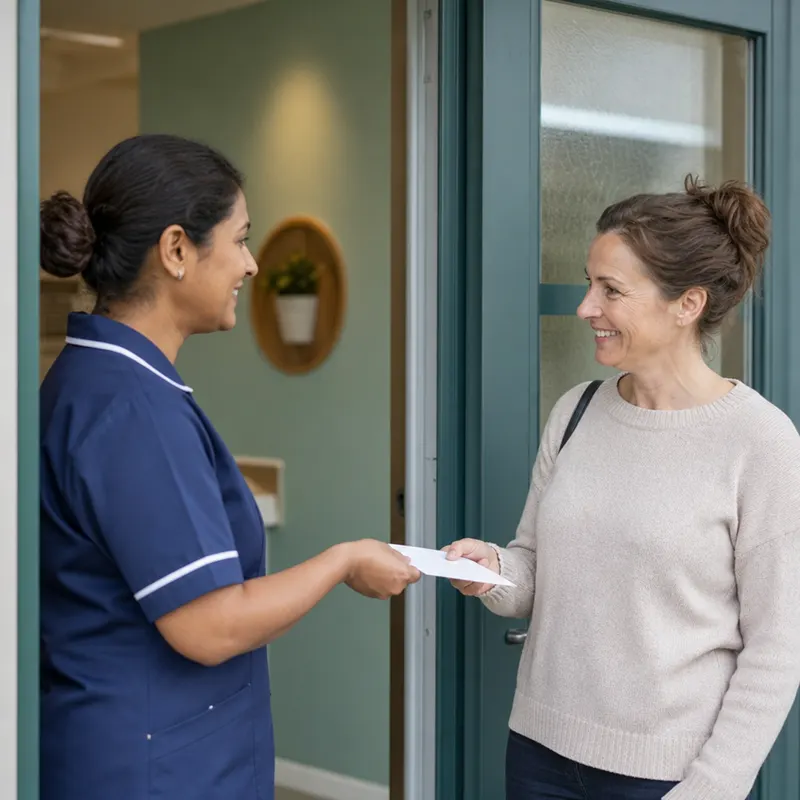
If you go ahead, you get clear aftercare advice and know how to reach us.
Who treats you
PRP is carried out at the clinic, never at home or off-site. Sharmila Selvarajah carries out the treatment herself.
Questions people ask
Does it work?
Evidence is still developing and results vary from person to person. We will be honest about what you can expect.
Are there risks?
Tenderness, swelling and bruising are common. Your practitioner will explain the other risks that apply to you.
Who should not have it?
It may not suit people with certain blood disorders or infections. We check at your consultation.
Where to next
Ready when you are
- 420 Clayhall Avenue, Ilford IG5 0SH
- Mon to Fri 9am to 7pm, Sat 9am to 2pm
- 07401 494728
- WhatsApp us
- Free street parking. Two steps at the entrance.