Microneedling
Microneedling in Ilford
Microneedling uses a small device with very fine needles to make tiny, controlled punctures in the top layers of your skin. At our Clayhall clinic in Ilford it is carried out in the clinic rather than with a home kit. It starts with a consultation about your skin, the aftercare and whether it suits you.
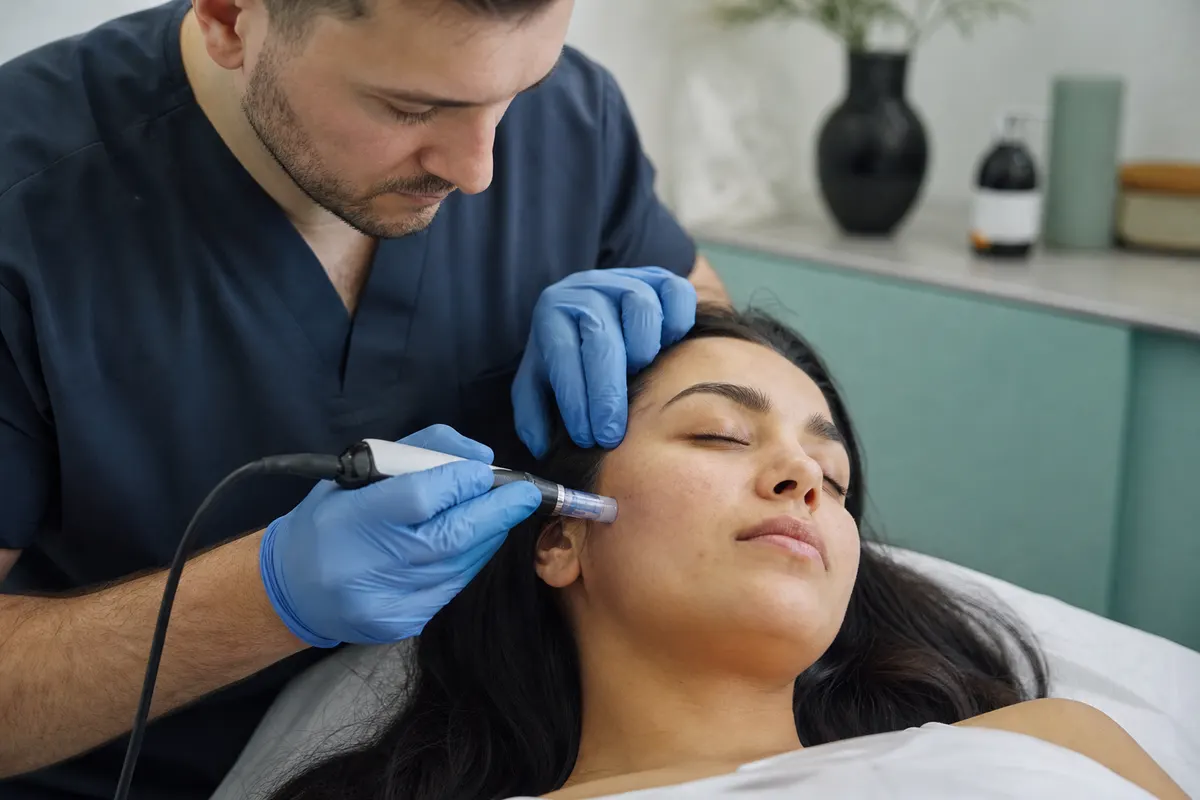
- Starts with A consultation
- How long 30 minutes
- Where 420 Clayhall Avenue, Ilford IG5 0SH
What to expect
It is simple, but aftercare matters.
- We check your skin and your health history first
- Your skin may feel tight or look red, like mild sunburn, for a few days
- You will need to protect your skin from the sun afterwards
- We tell you what to avoid and when you can wear make-up again
Why depth and clean technique matter
Microneedling makes small, controlled wounds in your skin, so it needs the care you would give any broken skin. Devices include manual rollers and electric pens, and the needle length varies. The JCCP, a register for cosmetic practitioners, says the length affects both the possible benefits and the risks.
Save Face, an accredited register, says that cheap devices sold online carry a higher risk of skin damage and infection, especially with longer needles. It also says that sterile equipment and infection control are essential, and that the longest needles belong in the hands of medically trained or supervised practitioners.
Numbing cream is usually applied first. Without it, Save Face describes treatment at the longer needle lengths as uncomfortable and sometimes painful, and they can cause pinpoint bleeding.
If you want a mark or mole looked at, check first that your practitioner is qualified to diagnose it, or see your GP or a dermatologist. Microneedling should not be used to treat a mark nobody has checked, especially one that may be linked to sun damage.
Who should take care, and possible side effects
Save Face says microneedling is not suitable if you are pregnant or breastfeeding, unwell even with a cold, or have a skin infection in or near the area. The same applies if you are allergic to local anaesthetic, take steroids or medicines that affect bleeding, or have an autoimmune disease, bleeding disorder or poorly controlled medical condition. Safety has not been established for people prone to keloid scars, which are raised scars that keep growing.
The JCCP asks you to take particular care if you are over 65, have darker skin or have very fragile skin, because the risks may outweigh the benefits. Skin rejuvenation treatments can leave skin lighter or darker, and this deserves a frank talk at your consultation.
Tell your practitioner about cold sores, and about every skin product you use. Effects listed by the JCCP and Save Face include:
- Redness, from light pink to like sunburn, usually settling within a few days
- Stinging, itching, tightness or dryness for several days
- Mild pain and bruising
- Flaking or a change in skin texture
- Cold sores coming back
- Eczema, psoriasis or acne getting worse
- Allergy, skin infection, scarring or changes in skin colour
Serious complications are rare when the right tool is used by a skilled practitioner, but they can happen, so contact your practitioner about any unexpected symptom.
Aftercare, and what to ask
Your practitioner should give you aftercare for your own skin. In general, avoid sun, sunbeds, saunas and vigorous exercise for 48 hours, avoid alcohol the day before and the day after, and use sunscreen every day. Use only the products you are advised to use.
The JCCP warns that offers on courses can draw you into treatments you may not need. Agree each step after talking it through, and ask these questions wherever you go:
- What device and needle depth will you use for my skin, and why?
- Are the needle cartridges sterile and single-use?
- What training do you have, and which register are you on?
- How does this treatment suit my skin type and colour?
- How long until my skin looks normal again, and what must I avoid?
- What insurance do you have, and who do I contact if something goes wrong?
What happens
It always starts with a conversation, and there is no pressure.
-

Holding image 1Consultation
We talk through your concerns, your health history and your options.
-
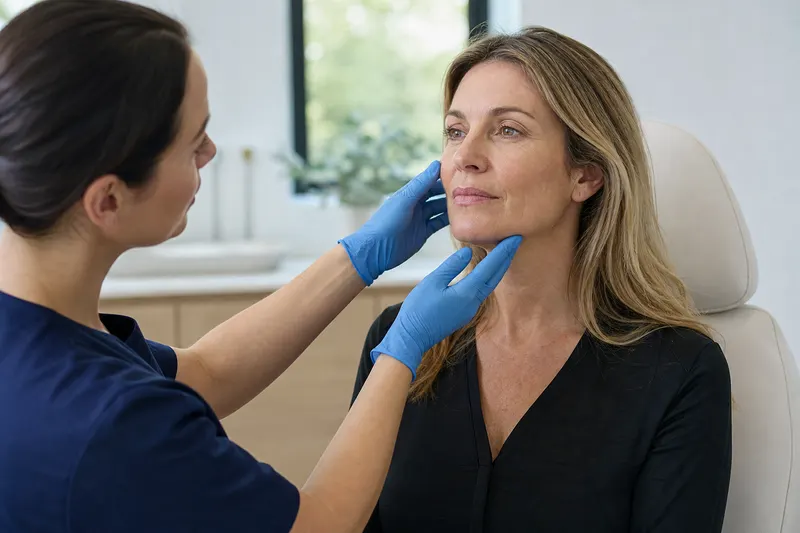
Holding image 2An honest assessment
We tell you what is realistic, what the risks are, and whether treatment is suitable for you.
-
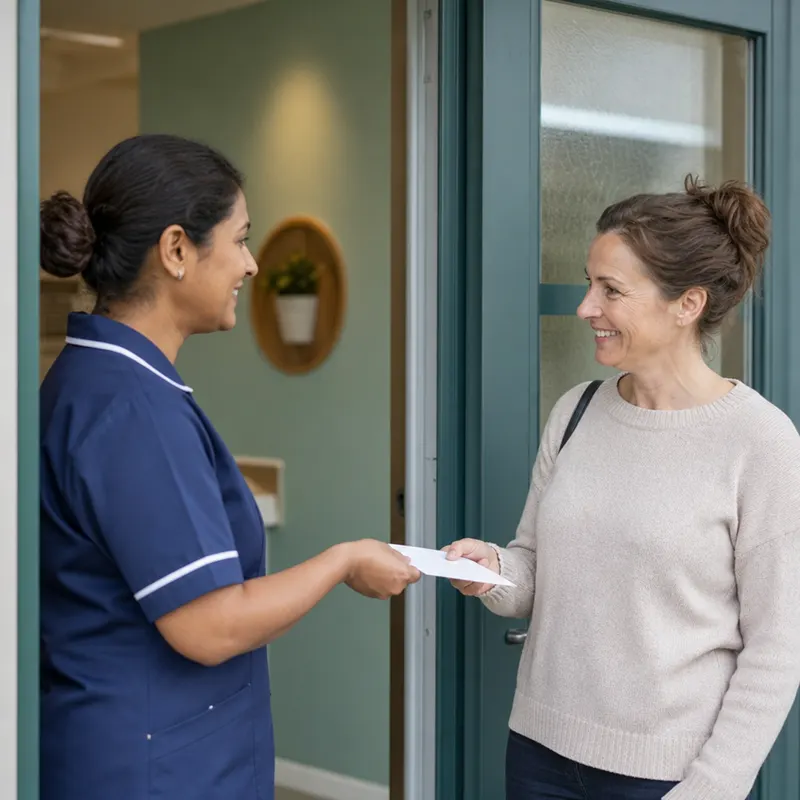
Holding image 3Aftercare
If you go ahead, you get clear aftercare advice and know how to reach us.
Who treats you
Microneedling is carried out in the clinic, in clean conditions. Sharmila Selvarajah carries out the treatment herself.
Questions people ask
Is it the same as a home roller?
No. Clinic devices and clean conditions are different from a roller at home.
Does it hurt?
Most people find it uncomfortable rather than painful. We will explain what to expect.
Who should not have it?
It may not suit you if you have an active skin infection or certain skin conditions. We will check at your consultation.
Where to next
Ready when you are
- 420 Clayhall Avenue, Ilford IG5 0SH
- Mon to Fri 9am to 7pm, Sat 9am to 2pm
- 07401 494728
- WhatsApp us
- Free street parking. Two steps at the entrance.