Vibration plate
Vibration plate sessions in Clayhall
A vibration plate is a machine you stand or exercise on while the platform moves quickly in small movements. You can use one at our Clayhall clinic in Ilford. We show you how to stand and how to use it safely, and check first that it is suitable for you, because it does not suit everyone.
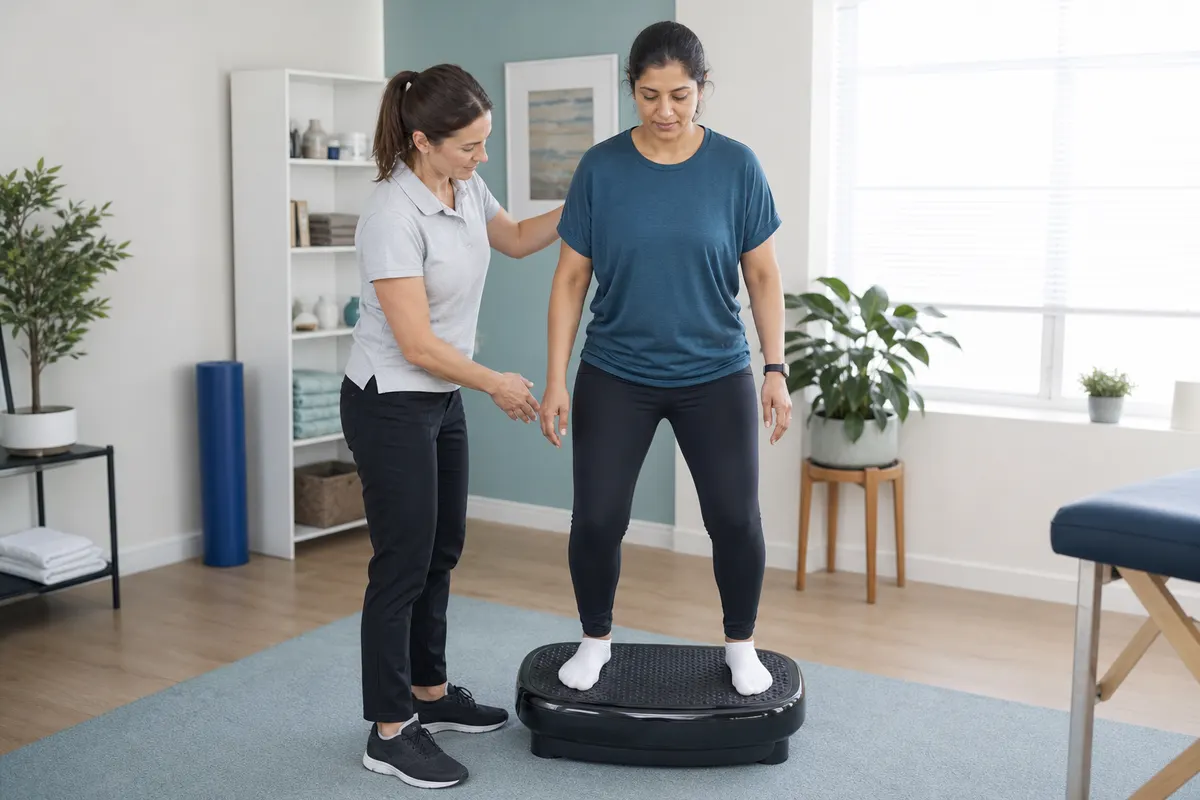
- What it is A moving platform you stand on
- How long 10 minutes
- Where 420 Clayhall Avenue, Ilford IG5 0SH
What a session involves
It is simple, and we stay with you the first time.
- We check your health history first
- We show you how to stand with soft knees
- A session lasts 10 minutes, and you start gently
- You can stop whenever you like
When to get medical help first. Vibration plates are not suitable for everyone. Please tell us first if you are pregnant, or have a heart condition, a pacemaker or other implant, including a cochlear implant, a joint replacement, a history of blood clots, a recent operation, dizziness or a problem with your balance.
What a vibration plate is
A vibration plate has a platform that vibrates, sending the movement through your body. Depending on the machine, you can stand, sit or lie on it. As it vibrates, your muscles tense and relax.
Machines vary. The intensity depends on how high the platform moves, and the higher it is, the more vibration you feel. You can usually adjust the settings. The Royal Osteoporosis Society describes two main kinds:
- Whole body vibration: a large platform, usually with a rail to hold, where the vibrations feel big
- Low intensity vibration: a smaller plate, a bit like large bathroom scales, where the vibrations feel small and fast
Neither is the same as a slimming belt or band worn around the waist. You are most likely to see plates in gyms and physiotherapy services. They are not routinely available on the NHS.
How to use one with care
Most of the care is in the basics, including the moment you get on and off, which is when you need to pay attention.
- Take your time stepping on and off
- Hold the rail if there is one
- Keep your knees and elbows soft, not locked, and avoid slumping
- Start on a low setting for a short spell, and change one thing at a time
- Turn it down or stop if you feel unwell
Some people notice tingling, itching, warm skin or muscle soreness during or soon after a session. Dizziness, headache and joint discomfort are also possible. Mention anything like this straight away.
Who should not use one
The Royal Osteoporosis Society says whole body vibration is not suitable if you:
- Have a current or recent blood clot
- Have a condition affecting your heart or blood vessels, such as a past heart attack or stroke
- Have a pacemaker
- Are pregnant
- Get dizziness or have inner ear problems
- Have had a joint replacement, such as a hip or knee
- Have cochlear implants
It may also be unsuitable if you have had spinal fractures or many fractures. If you are unsure about any health condition, talk to a healthcare professional before you step on.
What this page does not claim
This page describes a vibration plate for what it is: a machine you use. The ASA, the UK advertising regulator, lists claims that cannot be made for vibrating platforms, so you will not see any of these promised here:
- Lasting weight loss or less body fat
- Higher bone density
- Better circulation
- Less cellulite or better skin
- Removing toxins from your body
- Pain relief or easing of aches
On bones, the Royal Osteoporosis Society says research has not proven that vibration can make them stronger. If you have osteoporosis, ask your healthcare team what suits you. With or without a plate, NHS advice for adults is at least 150 minutes of moderate activity a week, plus strength exercises on 2 days.
What happens when you come in
We keep it simple.
-
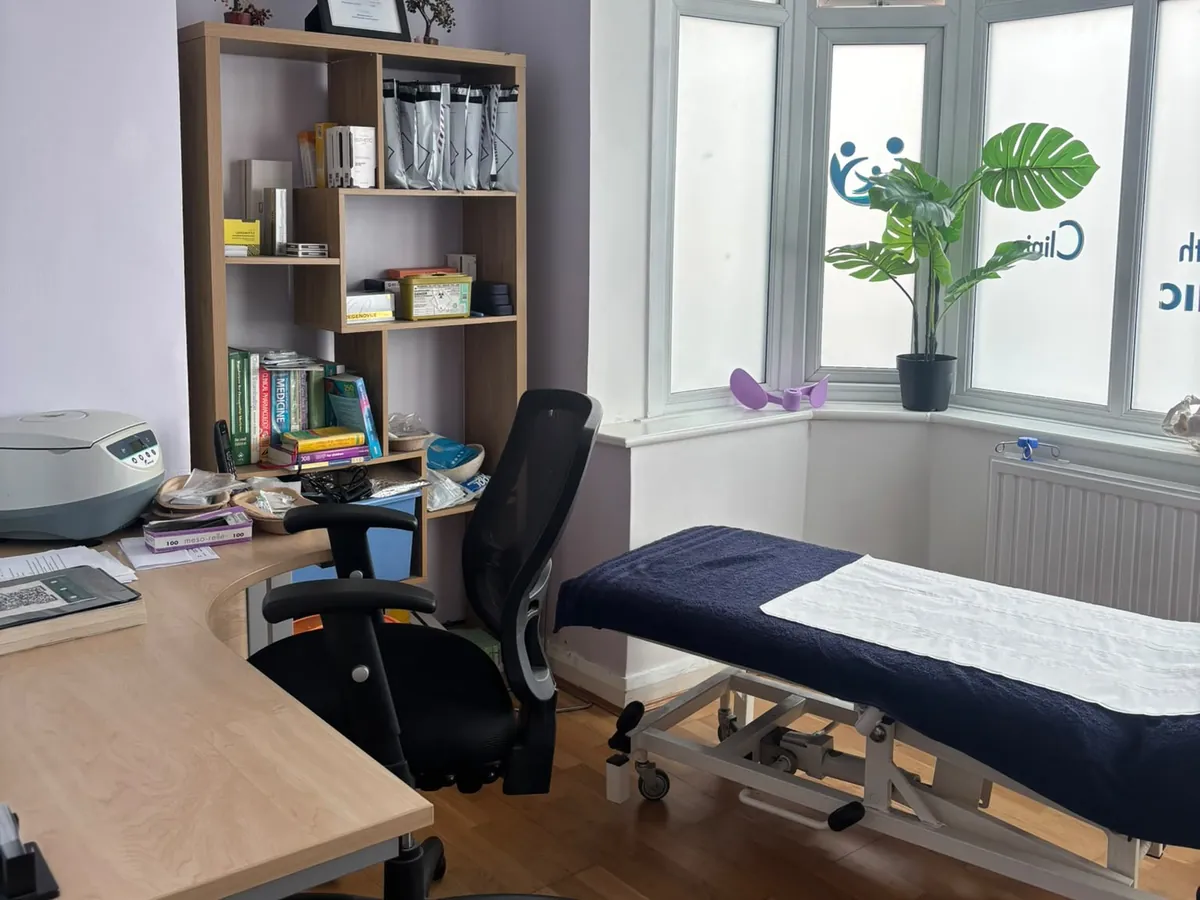
1We talk first
What you would like help with, and your health history.
-
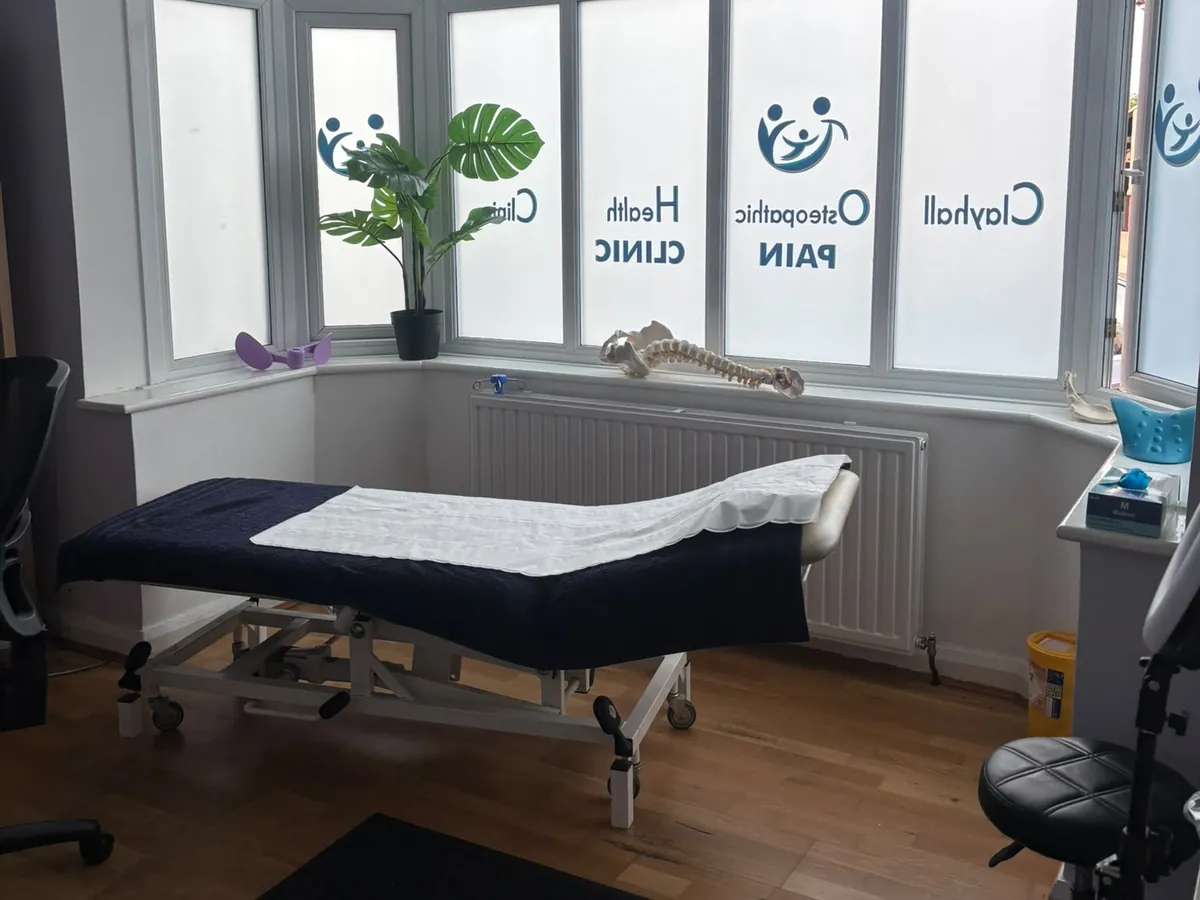
2Your session
We explain what we are doing as we go. Ask anything, at any time.
-
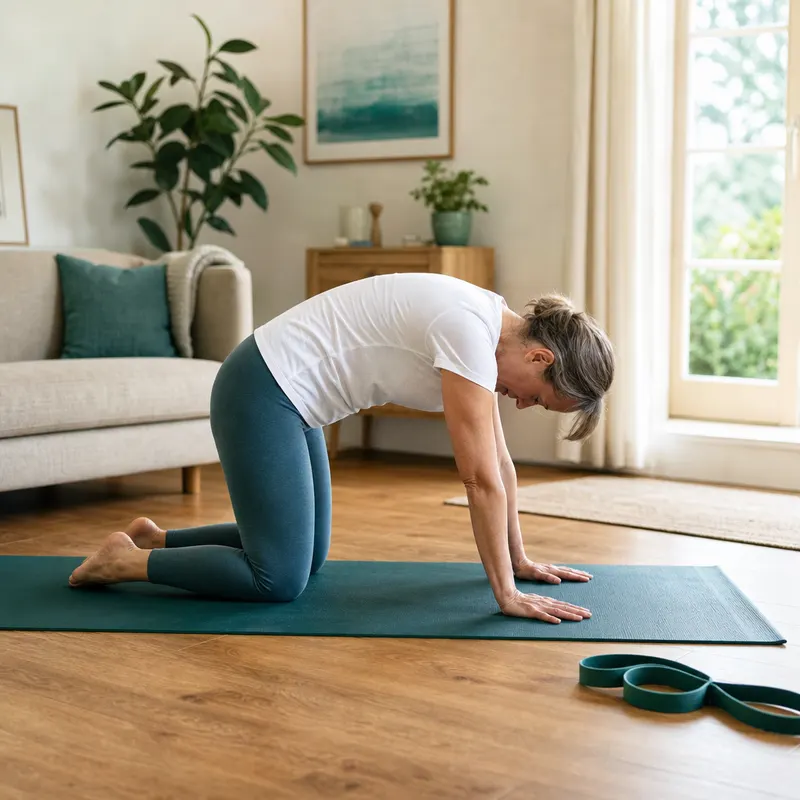
Holding image 3What next
Advice for home, and an honest view on whether more sessions would help.
Who treats you
Sessions take place at the clinic, and we show you how to use the machine safely before you start.
Questions people ask
What should I wear?
Comfortable clothes and flat shoes, or as we advise on the day.
Is it right for everyone?
No. We will ask about your health first, and tell you if it is not suitable.
Can I book it with an osteopathy appointment?
Ask us when you book.
Where to next
Ready when you are
- 420 Clayhall Avenue, Ilford IG5 0SH
- Mon to Fri 9am to 7pm, Sat 9am to 2pm
- 07401 494728
- WhatsApp us
- Free street parking. Two steps at the entrance.