Naturopathy and nutrition
Naturopathy and nutritional advice
Naturopathy looks at everyday things such as what you eat, how you sleep and how you live. At our Clayhall clinic in Ilford, you can talk through your diet and lifestyle and get practical advice. A naturopathy consultation costs £50. It works alongside your GP's care and does not replace it or any medicine.

- Consultation £50
- Covers Diet, sleep and everyday habits
- How long 30 minutes
- Where 420 Clayhall Avenue, Ilford IG5 0SH
What we talk about
It starts with a conversation about you.
- What you usually eat and drink
- Your sleep, activity and daily routine
- What you would like to change
- Practical next steps you can actually keep up
What naturopathy means
Naturopathy is a holistic approach to health that looks at the whole of your daily life. It puts eating well, sleeping well, exercise and lifestyle first, and some naturopaths add other disciplines such as herbal medicine or hydrotherapy.
Nutritional advice sits naturally beside it, because food is usually one of the first things people want to talk about. It gives you time to look at your habits with someone else and decide what you want to change.
The ASA, the UK advertising regulator, says it has not been given evidence that naturopathy can treat medical conditions. So this page does not present it as a treatment for any illness.
What a consultation usually involves
A naturopath's training includes taking a full history of your lifestyle, food, activity and how you are feeling in yourself. It helps to describe what a normal day really looks like, not what a perfect day would be.
The UK core curriculum for naturopathy also covers helping people make informed choices, supporting them through change, and recognising warning signs that need urgent or routine referral to conventional medical care. If something you mention needs a doctor, expect to be told so.
The everyday basics it often starts from
Good advice on food, sleep and movement is rarely complicated. The NHS publishes general guidance for adults, and it makes a sensible starting point:
- Eat at least 5 portions of a variety of fruit and vegetables a day
- Base meals on starchy foods such as potatoes, bread, rice or pasta, choosing wholegrain or higher-fibre types when you can
- Include protein such as beans, pulses, fish, eggs or meat, and some dairy or dairy alternatives
- Drink 6 to 8 cups or glasses of fluid a day
- Go to bed and get up at similar times, even on days off
- Try to avoid phones, tablets and computers for an hour before bed
- Aim for at least 150 minutes of moderate activity a week, plus strength exercises on 2 days
- Break up long spells of sitting with some movement
With food, the balance matters across a day or a week, not at every meal. The useful part of a conversation is working out which one or two of these fit your life at the moment.
Where the limits are
A lifestyle conversation does not diagnose illness, and it is not a way to find out whether you are short of a vitamin or mineral. If you are worried about that, or have symptoms that keep coming back, see your GP.
It is not a detox either: your liver and kidneys already deal with toxins. And supplements are no swap for a healthy diet.
Herbal remedies need care too. The NHS warns that some do not mix with common medicines, including statins, warfarin, metformin, ramipril, some antidepressants and the combined pill. Check with a pharmacist before you take one, and tell any doctor treating you.
Conditions such as diabetes, high blood pressure and anaemia need medical care, and an eating plan to treat a medical condition is a dietitian's work. Dietitian is a title protected by law. Nutritionist and nutritional therapist are not, so it is fair to ask anyone giving food advice about their training.
What happens when you come in
We keep it simple.
-
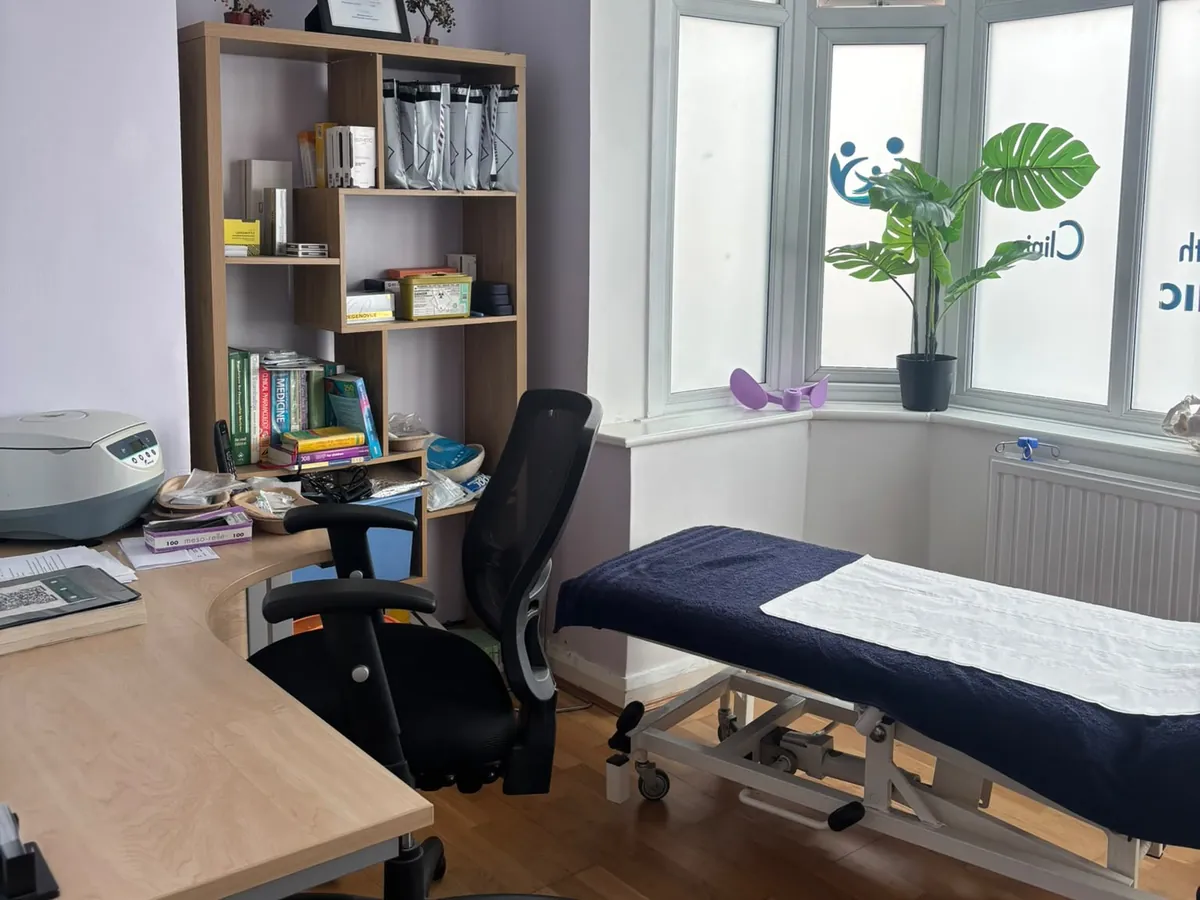
1We talk first
What you would like help with, and your health history.
-
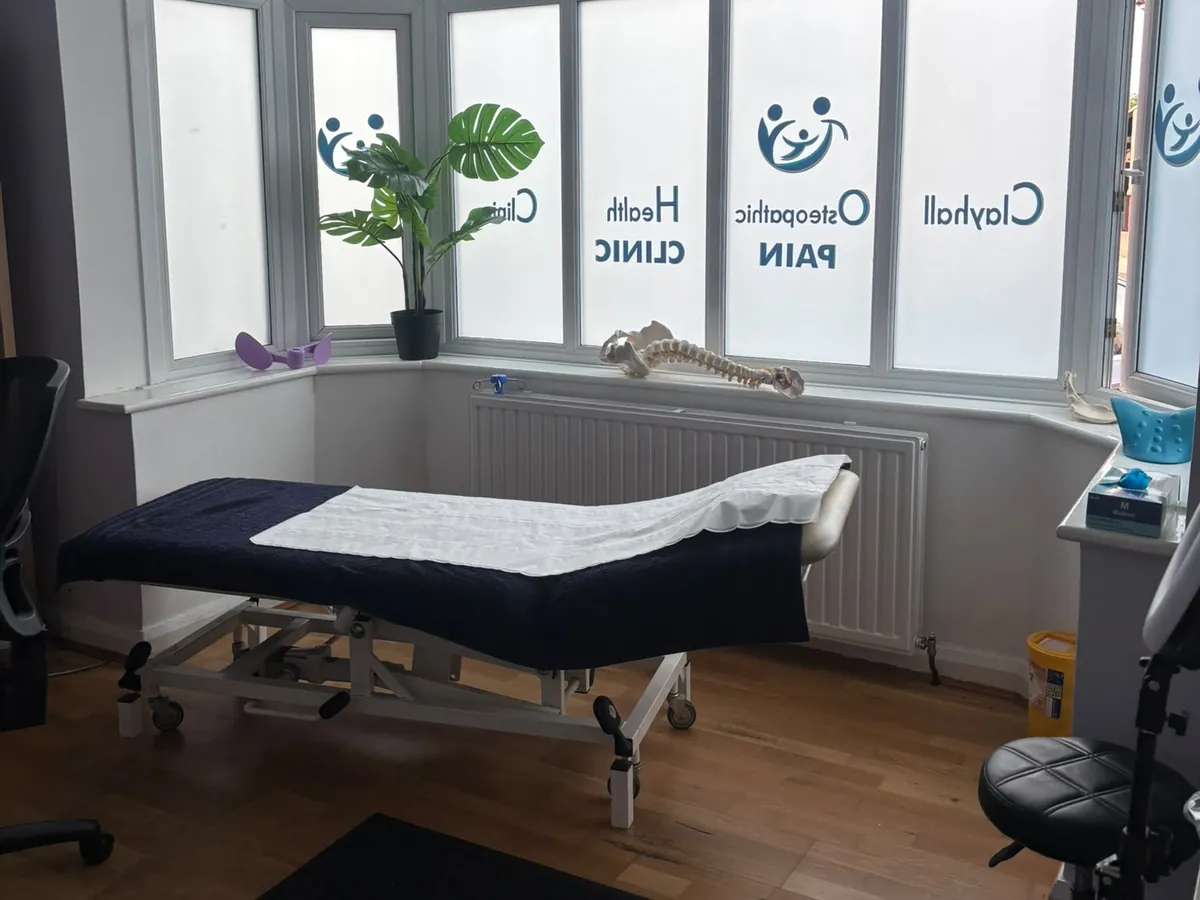
2Your session
We explain what we are doing as we go. Ask anything, at any time.
-
Holding image 3What next
Advice for home, and an honest view on whether more sessions would help.
Who treats you
Naturopathy and nutritional advice is offered at the clinic alongside osteopathy.
Questions people ask
Does this replace my GP?
No. Please keep seeing your GP and taking any medicine you are prescribed.
Do I need to bring anything?
A list of any medicines or supplements you take is helpful.
Will you tell me to stop taking medicine?
No. That is always a conversation for you and your GP.
How much does it cost?
A naturopathy consultation is £50.
Where to next
Ready when you are
- 420 Clayhall Avenue, Ilford IG5 0SH
- Mon to Fri 9am to 7pm, Sat 9am to 2pm
- 07401 494728
- WhatsApp us
- Free street parking. Two steps at the entrance.